

The cryptocurrency security landscape experienced a significant shock when BTCPay Server, one of the leading open-source payment processors in the blockchain industry, announced a substantial bounty program following a critical wallet exploit. In a dramatic move demonstrating their commitment to protecting user assets, the BTCPay development team announced a 3 Bitcoin bounty for information leading to the recovery of stolen cryptocurrency funds. This unprecedented action underscores the serious nature of the security breach and highlights the growing sophistication of cryptocurrency theft in the digital economy.
BTCPay Server has established itself as a trusted platform for merchants, businesses, and individuals seeking to accept Bitcoin payments and other cryptocurrencies without relying on third-party payment processors. The platform’s open-source architecture has attracted hundreds of thousands of users worldwide who value its commitment to financial sovereignty and data privacy. However, the recent security incident has raised important questions about cryptocurrency wallet security, the vulnerabilities inherent in blockchain infrastructure, and how the community responds to significant fund recovery challenges.
The announcement of the 3 Bitcoin bounty program represents more than a simple reward offer—it’s a calculated response to a complex situation involving stolen digital assets, sophisticated threat actors, and the technical challenges of cryptocurrency recovery. This comprehensive guide explores the details of the BTCPay Server bounty, the underlying wallet exploit, the implications for Bitcoin security, and what this incident reveals about protecting digital assets in an increasingly hostile cybersecurity environment.
The BTCPay Server Security Incident
BTCPay Server emerged as a revolutionary solution for accepting cryptocurrency payments without surrendering control to centralized payment processors. The platform’s strength lies in its decentralized architecture, allowing businesses to maintain complete custody of their cryptocurrency holdings while processing transactions directly. However, this recent security breach has demonstrated that even well-intentioned, open-source projects face sophisticated threats from determined threat actors.
The wallet exploit that prompted the 3 Bitcoin bounty appears to have involved unauthorized access to wallet systems through a vulnerability that compromised private keys or recovery mechanisms. BTCPay Server’s development team discovered the breach during routine security audits, initiating immediate response procedures to mitigate further damage and protect affected users. The exact technical details of the exploit remain partially under wraps to prevent copycat attacks, but the incident clearly demonstrates how cryptocurrency security remains an evolving challenge despite technological advances.
BTCPay Server bounty announcement came swiftly after discovery of the theft, with the organization pledging 3 Bitcoin as a reward for credible information leading to fund recovery. This bounty represents approximately $120,000–$150,000 USD at current market values, reflecting the serious commitment the BTCPay development team maintains toward protecting its user community. The bounty program targets threat intelligence professionals, security researchers, blockchain forensics experts, and others with the technical capability to trace stolen Bitcoin through the cryptocurrency ecosystem.
The Technical Nature of the Exploit
Understanding how the wallet exploit occurred requires examining the technical architecture of BTCPay Server and potential vulnerability vectors. Payment processor security depends on multiple layers of protection, including encryption protocols, key management systems, and access controls. The Bitcoin security breach likely involved bypassing one or more of these protective layers, potentially through supply chain compromise, social engineering, or previously unknown vulnerability in the software stack.
Cryptocurrency wallet exploits typically target either the private keys themselves or the systems managing access to those keys. If attackers obtained unencrypted private keys, they could initiate unauthorized transactions and transfer Bitcoin to their controlled addresses without further obstacles. Alternatively, if the exploit involved compromising the recovery seed phrase, attackers could restore wallet access from other locations or devices, maintaining persistent control over stolen funds.
The BTCPay security incident prompted immediate community scrutiny of the platform’s code repository and security practices. Developers worldwide examined the open-source software searching for vulnerability evidence and potential improvements to prevent future exploits. This collaborative response reflects the strength of the cryptocurrency development community, where transparency and shared security responsibility drive continuous improvement in Bitcoin infrastructure.
The Bounty Program Structure and Recovery Efforts
BTCPay Server’s 3 Bitcoin bounty operates as a sophisticated incentive mechanism designed to leverage external expertise in cryptocurrency recovery and threat intelligence. The bounty program represents a pragmatic acknowledgment that fund recovery often requires specialized skills beyond the organization’s internal capabilities.
How the Bounty Program Works
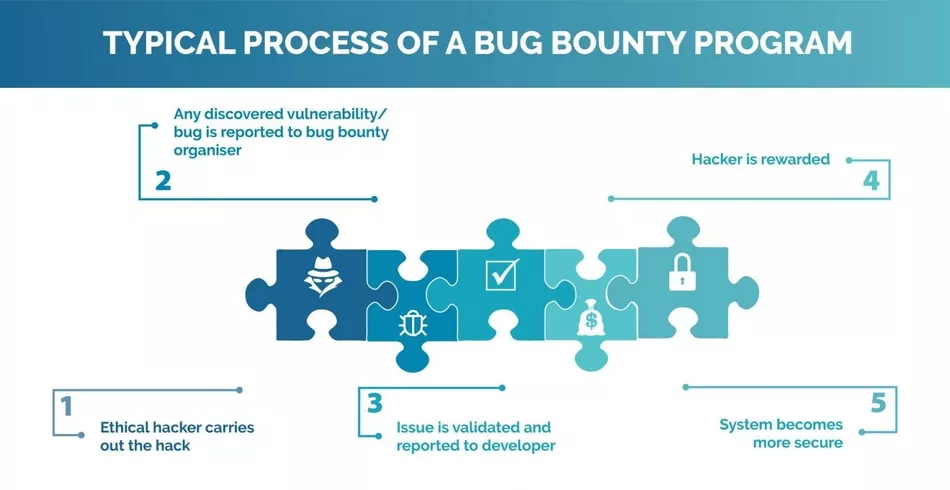
The BTCPay bounty for stolen funds functions as a public call for information leading to Bitcoin recovery. Qualified individuals—including blockchain forensics experts, cryptocurrency investigators, and security professionals—can submit information about the location of stolen Bitcoin, the identity of attackers, or technical methods for freezing or recovering digital assets. The 3 Bitcoin reward is distributed upon successful validation that submitted information directly contributed to fund recovery efforts.
Cryptocurrency bounty programs operate within specific parameters designed to prevent fraud, verify information credibility, and ensure rewards go to genuine contributors. The BTCPay recovery program likely includes vetting procedures, escrow mechanisms, and clear criteria for what constitutes successful fund recovery. These structures protect the organization from individuals submitting fabricated information while ensuring legitimate contributors receive promised compensation.
Blockchain forensics, the technical discipline underlying cryptocurrency investigation, has matured significantly over the past five years. Companies specializing in Bitcoin tracing can follow transactions through the blockchain, identifying patterns that reveal wallet ownership, exchange access, or other indicators of where stolen cryptocurrency might be heading. The BTCPay bounty incentivizes these professionals to apply their expertise to this specific case.
Blockchain Forensics and Asset Tracing
Bitcoin’s pseudo-anonymous nature creates challenges for cryptocurrency recovery while simultaneously offering investigative opportunities. All Bitcoin transactions are recorded publicly on the blockchain ledger, creating an immutable trail that forensics experts can analyze. Blockchain analysis involves examining transaction patterns, wallet histories, and exchange connections to identify suspicious activity and potentially locate stolen funds.
Cryptocurrency tracking technology has advanced tremendously, enabling investigators to monitor Bitcoin movement in real-time and identify likely destinations. When large quantities of stolen cryptocurrency move rapidly between wallets, exchanges, or mixing services, forensics experts can detect these patterns and alert relevant parties. The BTCPay bounty program leverages these capabilities, effectively enlisting the broader cryptocurrency security community in the fund recovery mission.
Exchange-level intelligence provides particularly valuable information for stolen Bitcoin recovery. When attackers eventually attempt to convert cryptocurrency into fiat currency, they must interact with regulated exchanges requiring identity verification. BTCPay Server and law enforcement can cooperate with exchanges to identify accounts receiving stolen Bitcoin, potentially freezing funds before they’re withdrawn.
Implications for Bitcoin Security and Payment Processing
The BTCPay Server security incident resonates far beyond the affected organization, raising critical questions about cryptocurrency payment processor security and the broader Bitcoin ecosystem’s vulnerability landscape.
Lessons for Open-Source Bitcoin Projects
Open-source development has created tremendous value in the cryptocurrency space, enabling transparency and community-driven security improvements. However, the BTCPay exploit demonstrates that open-source projects remain vulnerable to sophisticated attacks despite community scrutiny. Bitcoin security requires constant vigilance, regular security audits, rapid patching procedures, and sophisticated threat detection capabilities.
BTCPay Server’s response to the security breach will likely become a case study for how organizations should handle cryptocurrency security incidents. Rapid disclosure, clear communication with affected users, substantial bounty programs, and cooperation with law enforcement and forensics professionals represent best practices for wallet security incident response. Organizations accepting Bitcoin payments and managing customer funds can learn valuable lessons from how BTCPay addressed this challenge.
The incident highlights the importance of private key management, secure storage practices, and access controls in cryptocurrency payment systems. Even well-intentioned developers can inadvertently introduce security vulnerabilities that sophisticated threat actors can exploit. Bitcoin businesses must implement defense-in-depth strategies, including multiple layers of security, regular penetration testing, and incident response planning.
Impact on User Confidence and Adoption
Cryptocurrency adoption depends significantly on user confidence in payment processor security and Bitcoin transaction safety. Major security breaches and fund theft incidents can shake confidence and slow adoption, particularly among less technically sophisticated users. BTCPay Server’s transparent response and aggressive bounty program demonstrate commitment to protecting users and recovering assets, potentially mitigating reputation damage.
The security incident underscores why some users prefer self-custody—maintaining personal control over their private keys rather than trusting intermediaries. However, self-custody creates barriers for merchants and businesses requiring payment processing services. BTCPay Server bridges this gap, offering custody-light solutions where merchants control cryptocurrency funds directly. The recent exploit reminds users that no service eliminates risk entirely; security remains an ongoing challenge requiring continuous attention.
Cryptocurrency Investigation and Law Enforcement Response
The BTCPay Server bounty program exists within a broader context of law enforcement responses to cryptocurrency theft and the emerging field of blockchain investigations.
Cooperation Between Private Sector and Law Enforcement
Cryptocurrency crime has attracted attention from law enforcement agencies worldwide, leading to specialized divisions focused on digital asset investigation and blockchain forensics. The BTCPay Server security incident likely involved cooperation between the organization, relevant law enforcement agencies, and private cryptocurrency forensics firms. This multi-stakeholder approach combines legal authority with technical expertise, creating complementary capabilities for stolen Bitcoin recovery.
Law enforcement agencies have increasingly recognized the importance of understanding cryptocurrency transactions and blockchain technology. Specialized training programs, partnerships with blockchain forensics companies, and dedicated digital crime units have enhanced law enforcement’s capability to investigate Bitcoin theft and prosecute perpetrators. The BTCPay Server case benefits from these evolving capabilities and institutional knowledge.
International cooperation becomes critical in cases involving stolen cryptocurrency, as attackers often utilize infrastructure across multiple jurisdictions. BTCPay Server’s user base spans the globe, and the stolen funds could travel internationally through cryptocurrency exchanges and mixing services. Law enforcement agencies in multiple countries may coordinate investigations, share intelligence, and pursue perpetrators regardless of their physical location.
The Role of Cryptocurrency Exchanges in Recovery
Regulated cryptocurrency exchanges play crucial roles in fund recovery efforts, possessing detailed records of customer deposits and withdrawal requests. When stolen Bitcoin arrives at exchange platforms, compliance departments can flag suspicious transactions, freeze accounts, and cooperate with law enforcement. The BTCPay bounty provides incentives for identifying which exchanges might have received stolen cryptocurrency and what account information might be associated with them.
Exchange compliance represents a significant obstacle for attackers seeking to convert stolen cryptocurrency into fiat currency. Sophisticated attackers often utilize crypto mixing services, peer-to-peer exchanges, or other methods to obscure the origin of stolen Bitcoin before reaching regulated platforms. However, the blockchain’s immutability ensures that these efforts leave traces that forensics experts can follow.
Community Response and Support for BTCPay Server
The BTCPay Server security incident triggered substantial support from the broader cryptocurrency and open-source software communities, demonstrating the value placed on projects advancing financial sovereignty.
Developer Community Involvement
Bitcoin developers and cryptocurrency security researchers worldwide have engaged with the BTCPay security incident, offering expertise, reviewing code, and suggesting improvements. The open nature of the project means that many talented individuals can contribute to understanding the exploit and preventing future vulnerabilities. This collaborative response reflects how open-source development harnesses community knowledge and expertise.
The BTCPay Server project has likely received increased security audit resources following the wallet exploit, with security firms dedicating professionals to examine the codebase for additional vulnerabilities. This silver lining to the security breach may ultimately result in more robust software, better documentation of security practices, and improved cryptocurrency wallet architecture for the entire ecosystem.
User Support and Mitigation Measures
Users affected by the BTCPay security incident required clear guidance on protecting their cryptocurrency funds and understanding their exposure to stolen Bitcoin. The organization likely provided detailed notifications explaining which accounts faced risk, recommended security measures, and instructions for monitoring wallet activity. This communication becomes critical for maintaining user trust during security crises.
BTCPay Server probably recommended that affected users implement additional security measures, including updating software, changing access credentials, enabling multi-signature requirements, and monitoring transaction histories. These steps help users protect themselves from further compromise while fund recovery efforts proceed through the bounty program and law enforcement channels.
Technical Details of Wallet Security and Prevention
Understanding how to prevent future exploits similar to the BTCPay wallet vulnerability requires examining cryptocurrency security best practices and advanced protection mechanisms.
Multi-Signature and Key Management
Multi-signature wallets, requiring multiple private keys to authorize transactions, provide substantial protection against private key compromise. If a wallet exploit only exposes one of several required keys, attackers cannot initiate unauthorized transactions. BTCPay Server and similar payment processors increasingly implement multi-signature architectures as fundamental security requirements rather than optional features.
Hardware wallet integration offers another layer of protection by maintaining private keys on separate devices designed specifically for secure cryptographic operations. Even if payment processor software becomes compromised, private keys stored on hardware devices remain secure. This approach sacrifices some convenience for dramatically improved Bitcoin security, making it valuable for payment processors handling significant cryptocurrency volumes.
Cold Storage and Hot Wallet Optimization
Cryptocurrency security fundamentally depends on minimizing the amount of Bitcoin kept in hot wallets—internet-connected systems vulnerable to cyberattacks. Payment processors should maintain substantial reserves in cold storage—offline systems immune to digital attacks—while keeping only necessary operating capital in hot wallets. This segregation limits potential losses if a hot wallet becomes compromised.
BTCPay Server’s architecture should ideally maintain this separation, with merchants’ cryptocurrency funds stored securely offline while the processor handles Bitcoin transactions through carefully controlled systems. The recent wallet exploit likely exposed weaknesses in this architecture, prompting architectural redesigns and improved cold storage integration.
Timeline and Community Impact Assessment
The BTCPay Server security incident unfolded over weeks, with discovery, disclosure, response, and ongoing fund recovery efforts creating substantial community activity and discussion.
Initial Discovery and Notification
BTCPay Server’s developers likely discovered the wallet exploit during routine monitoring or security audits. Responsible disclosure practices required prompt notification to affected users, security community, and law enforcement before public announcement. This period allowed affected users to secure their accounts and implement protective measures before attackers could capitalize on the vulnerability through additional exploitation.
Public Announcement and Bounty Launch
The public announcement of the 3 Bitcoin bounty signals the organization’s confidence in the fund recovery process and commitment to addressing the security breach seriously. BTCPay recognized that external expertise and incentives could significantly improve recovery prospects, leading to the substantial bounty offer. This announcement also provided transparency that builds trust despite the security incident.
Ongoing Investigation and Recovery Efforts
Months following the initial announcement, fund recovery efforts continue through coordinated blockchain forensics, law enforcement investigation, and cryptocurrency exchange cooperation. Each development brings the BTCPay community closer to understanding the exploit fully and potentially recovering significant portions of stolen Bitcoin. The bounty program remains active, incentivizing continued effort from security professionals.
Broader Implications for Cryptocurrency Infrastructure

The BTCPay Server security incident and resulting bounty program illuminate important trends in cryptocurrency security and the ongoing evolution of blockchain technology.
Cryptocurrency adoption will ultimately depend on demonstrating that digital assets can be secured reliably at scale. The BTCPay incident shows both vulnerabilities and strengths in the ecosystem—while exploits occur, the community responds rapidly with sophisticated investigation capabilities and transparent processes. Bitcoin security continues improving as threats emerge and defenses adapt.
The success or failure of the BTCPay bounty program and fund recovery efforts will influence how organizations approach future cryptocurrency security incidents. If stolen Bitcoin is successfully recovered and perpetrators identified, it demonstrates that blockchain’s transparency enables effective investigation. If recovery proves impossible, it underscores the importance of preventive security measures over reactive recovery.
Conclusion
The BTCPay Server security incident and resulting 3 Bitcoin bounty represent a pivotal moment in the cryptocurrency industry’s maturation. The organization’s rapid, transparent response—including the substantial bounty program—demonstrates how Bitcoin businesses should handle security breaches and fund theft incidents. The incident underscores that even well-designed, open-source payment processors face sophisticated threats, requiring constant vigilance, advanced security architectures, and rapid incident response capabilities.
BTCPay Server’s commitment to fund recovery through the bounty program leverages the broader cryptocurrency security community’s expertise, demonstrating how decentralized approaches can solve complex problems. Blockchain forensics professionals, law enforcement agencies, and cryptocurrency exchange partners all contribute to the recovery effort, each bringing specialized capabilities to bear on the challenge.
The wallet exploit and subsequent bounty announcement will likely influence how organizations across the cryptocurrency and payment processing industries approach security architecture, incident response, and user protection. By studying this incident and BTCPay Server’s response, organizations can learn valuable lessons about preventing similar exploits, responding transparently when breaches occur. And implementing sophisticated investigation and fund recovery capabilities. The cryptocurrency community’s collective response to this challenge will help establish Bitcoin security standards that inspire confidence in digital asset custody and payment processing for years to come.