



The cryptocurrency market continues to evolve at a rapid pace, and staying informed about bitcoin news has become essential for investors, traders, and enthusiasts alike. As we move through 2026, the digital asset landscape presents both opportunities and challenges that demand careful attention. Bitcoin, the world’s first and most valuable digital currency, remains at the forefront of financial innovation, commanding significant attention from institutional investors, regulatory bodies, and individual traders worldwide.
In this comprehensive guide, we explore the most significant developments shaping the bitcoin market today. From price fluctuations and regulatory announcements to technological advancements and market analysis, understanding the current state of bitcoin is crucial for anyone involved in or considering entering the crypto space. The blockchain technology underlying Bitcoin continues to inspire developments across industries, while the broader cryptocurrency ecosystem experiences transformative changes that ripple throughout global financial systems.
This article delves into the latest bitcoin trends, market dynamics, and expert perspectives that can help you make informed decisions. Whether you’re a seasoned investor tracking digital asset performance or a newcomer seeking to understand this revolutionary technology, the insights provided here will illuminate the current trajectory of Bitcoin and its significance in the modern financial landscape.
The Current State of Bitcoin in 2026
Bitcoin’s position in the global financial ecosystem has matured considerably since its inception. In 2026, the leading cryptocurrency has established itself not merely as a speculative asset but as a serious consideration for portfolio diversification. The bitcoin price continues to reflect broader market sentiments, influenced by macroeconomic factors, regulatory developments, and technological innovations within the blockchain industry.
Understanding Recent Price Movements
The bitcoin market experiences constant fluctuations influenced by numerous factors. Recent price movements have demonstrated that Bitcoin responds to both global economic conditions and sector-specific developments. Cryptocurrency investors closely monitor bitcoin exchange rates to identify trading opportunities and assess their portfolio risk. The volatility characteristic of Bitcoin, while challenging for some, creates opportunities for traders who understand market sentiment and can interpret technical signals effectively.
Digital asset valuations in 2026 reflect growing institutional adoption and increased recognition of Bitcoin’s role in a diversified investment strategy. The relationship between traditional markets and Bitcoin has become more sophisticated, with correlation patterns shifting based on broader economic conditions. Understanding these dynamics helps investors contextualize bitcoin news within the larger financial picture and make decisions aligned with their risk tolerance and investment objectives.
Institutional Adoption and Market Maturation
The presence of institutional investors in the cryptocurrency market has fundamentally changed how Bitcoin operates as an asset class. Major financial institutions now offer bitcoin trading platforms and custody solutions, legitimizing digital assets in traditional finance. This institutional participation has introduced greater liquidity and reduced some of the extreme volatility historically associated with the crypto market.
Bitcoin investment strategies have evolved to include options such as spot trading, futures contracts, and cryptocurrency ETFs. These developments reflect the maturation of the blockchain ecosystem and increased confidence in the security and viability of digital currency infrastructure. The crypto industry now includes sophisticated tools and platforms that enable institutions to engage with Bitcoin in ways that align with their operational and regulatory requirements.
Major Bitcoin News Stories and Market Catalysts

Several significant developments have shaped bitcoin news narratives in recent months and quarters. These events influence investor sentiment and drive decisions across the cryptocurrency trading landscape. Understanding the catalysts behind market movements provides valuable context for interpreting current conditions and anticipating future developments.
Regulatory Developments and Compliance Framework
Cryptocurrency regulation remains a crucial factor influencing Bitcoin’s trajectory. Governments and regulatory bodies worldwide continue developing frameworks to address digital asset oversight while fostering innovation. These regulatory developments represent some of the most impactful bitcoin news stories, as they directly affect market accessibility, institutional adoption rates, and long-term viability.
The emergence of clearer regulatory guidelines has paradoxically supported Bitcoin adoption by reducing uncertainty. When regulators establish transparent frameworks for cryptocurrency trading and custody, institutions feel more confident participating in the market. This regulatory clarity encourages crypto investment by providing legal certainty and reducing compliance concerns. The blockchain industry benefits from this approach, as innovation can proceed with greater confidence in the legal environment.
Different jurisdictions approach bitcoin regulation from varying perspectives, creating a complex global landscape. Some regions embrace the crypto space enthusiastically, while others maintain cautious or restrictive approaches. This patchwork of regulatory environments shapes where cryptocurrency exchanges operate and how institutions structure their digital asset exposure. Monitoring regulatory news related to Bitcoin provides essential intelligence for understanding market risks and opportunities.
Technological Upgrades and Network Improvements
The Bitcoin network periodically undergoes upgrades and improvements that enhance functionality, security, and efficiency. These technological developments represent important bitcoin news stories that can influence long-term adoption and utility. Upgrades to the blockchain infrastructure demonstrate the commitment of the Bitcoin development community to maintaining the network’s relevance and competitiveness within the cryptocurrency space.
Recent discussions within the Bitcoin community have focused on scalability solutions, transaction efficiency, and energy considerations. These technical conversations directly impact how Bitcoin functions as a payment system and store of value. When the crypto industry addresses legitimate concerns about environmental impact and transaction speed, Bitcoin becomes more attractive to environmentally conscious investors and users seeking practical digital currency solutions.
Understanding the technical aspects of Bitcoin upgrades helps investors appreciate the long-term value proposition of the network. Blockchain technology improvements often fly under mainstream media radar but represent crucial developments for the crypto ecosystem. These advancements ensure Bitcoin remains competitive against newer digital assets and continues serving its foundational purpose as a decentralized, trustless monetary system.
Investment Considerations and Market Analysis
Bitcoin investment decisions require careful consideration of multiple factors. Whether you’re considering long-term crypto holdings or engaging in active cryptocurrency trading, understanding market dynamics and risk factors proves essential.
Price Volatility and Risk Management
Bitcoin price volatility continues to present both opportunities and risks for crypto investors. The digital asset remains more volatile than traditional equity markets, requiring appropriate risk management strategies. Successful cryptocurrency investors develop systems for managing portfolio exposure and protecting capital during adverse market conditions.
Volatility analysis represents an important aspect of bitcoin market assessment. Understanding how bitcoin price movements correlate with other assets and what factors drive significant fluctuations helps investors construct more resilient portfolios. The crypto market occasionally experiences sharp corrections that test investor discipline and conviction. Investors who understand historical volatility patterns and maintain appropriate position sizing often navigate these challenging periods more successfully than those caught unprepared.
Fundamental Value Assessment
Determining the fundamental value of Bitcoin involves analyzing its utility, adoption trajectory, network security, and economic incentive structure. This analytical approach differs from traditional securities analysis but provides valuable perspective on long-term crypto investment viability. Bitcoin enthusiasts often emphasize the network’s scarcity, security, and decentralized nature as justifications for its valuation.
The blockchain underlying Bitcoin offers genuine innovation in trust architecture and value transfer. Understanding what makes Bitcoin unique within the digital currency space requires examining its consensus mechanism, security properties, and role within the emerging cryptocurrency ecosystem. These fundamental considerations help investors distinguish between short-term market noise and developments with genuine long-term significance.
The Broader Cryptocurrency Ecosystem and Bitcoin’s Role
Bitcoin’s position within the larger cryptocurrency market deserves careful examination. While Bitcoin dominates by market capitalization and brand recognition, the blockchain world extends far beyond a single digital asset.
Bitcoin Versus Alternative Cryptocurrencies
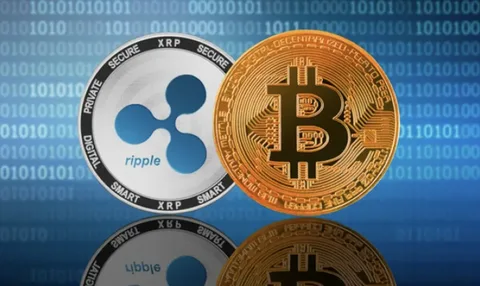
The cryptocurrency space includes thousands of digital assets, each offering different features and value propositions. Bitcoin’s first-mover advantage, network effects, and security properties differentiate it from altcoins and emerging blockchain projects. Crypto investors often discuss Bitcoin’s role as “digital gold” versus its utility as a payment system, reflecting different perspectives on its optimal use case.
Understanding Bitcoin’s competitive positioning within the crypto market helps investors contextualize bitcoin news within the broader industry landscape. As the blockchain industry matures and specialization increases, Bitcoin’s role as the most secure and decentralized digital currency becomes increasingly valuable. The dominance of Bitcoin within the cryptocurrency ecosystem reflects sustained confidence in its fundamental properties and long-term utility.
Integration with Traditional Finance
The intersection of Bitcoin and traditional financial systems has become increasingly sophisticated. Cryptocurrency exchanges now operate alongside traditional brokers, while digital asset management firms serve sophisticated clients. This integration represents a significant shift in how bitcoin and other cryptocurrencies interact with established financial infrastructure.
Blockchain technology adoption extends beyond speculative trading into legitimate business applications and financial infrastructure. As institutions recognize the benefits of distributed ledger technology, Bitcoin’s role as the foundational digital currency becomes more pronounced. The crypto industry benefits when mainstream financial institutions engage seriously with blockchain concepts and digital asset management.
What Experts Are Saying About Bitcoin’s Future
Bitcoin analysts and industry experts offer varying perspectives on the digital asset’s trajectory. These expert opinions shape investor sentiment and influence cryptocurrency market dynamics. Understanding the range of expert perspectives provides valuable context for forming independent judgments about Bitcoin’s future.
Long-Term Adoption Scenarios
Many crypto experts believe Bitcoin will become increasingly integrated into traditional financial systems and individual investment portfolios. This mainstream adoption scenario suggests that bitcoin prices will continue appreciating as more investors recognize its utility and value proposition. The blockchain revolution, according to this perspective, represents a fundamental shift in how value is stored and transferred, with Bitcoin at the center.
Conversely, some analysts warn that regulatory restrictions or technological developments could limit Bitcoin’s adoption. These cautious perspectives suggest that cryptocurrency investors should carefully assess risks alongside opportunities. The bitcoin market remains young enough that significant uncertainties persist regarding long-term viability and market size.
Market Cycle Perspectives
The cryptocurrency market exhibits cyclical patterns that many analysts believe will continue. Understanding Bitcoin’s market cycles helps investors position themselves effectively, avoiding panic during downturns and excessive greed during upswings. These cycles reflect both fundamental developments and shifts in investor psychology regarding digital assets.
Bitcoin news often reflects the current position within broader market cycles. During bullish phases, positive developments receive amplified attention, while bear markets highlight risks and negative developments. Sophisticated crypto investors learn to interpret market sentiment and recognize when narratives may diverge from underlying fundamentals.
Practical Steps for Staying Informed
Remaining current with bitcoin news requires implementing a structured information strategy. The cryptocurrency space moves rapidly, and important developments occur constantly across multiple platforms and sources.
Reliable Information Sources
Identifying trustworthy bitcoin news sources protects against misinformation and sensationalism. Reputable cryptocurrency publications, established financial media covering digital assets, and official communications from Bitcoin developers and cryptocurrency exchanges provide reliable information. Crypto investors should develop media literacy skills to distinguish high-quality analysis from speculation and hype.
Following discussions within the Bitcoin community, including development forums and technical repositories, provides insight into genuine technological developments. This approach helps investors look beyond surface-level bitcoin news and understand the substance behind developments affecting the digital asset.
Building a Monitoring System
Serious cryptocurrency investors often develop personal systems for tracking bitcoin prices, regulatory developments, and technical updates. Modern tools enable automatic monitoring of key bitcoin market metrics and relevant crypto news sources. This systematic approach ensures you don’t miss critical developments while avoiding information overload.
Creating alerts for specific types of bitcoin news and market conditions allows you to respond quickly to important developments. Whether monitoring bitcoin price targets, regulatory announcements, or technological upgrades, a well-designed monitoring system becomes invaluable for active crypto investors.
Conclusion
The bitcoin market in 2026 represents a mature yet still-evolving asset class that demands serious attention from investors and observers. Bitcoin news continues reflecting developments across technological, regulatory, and market dimensions, each potentially influencing long-term trajectories. The digital asset has established itself beyond speculative novelty, gaining recognition as a legitimate consideration within diversified investment portfolios and playing an expanding role in financial innovation.
Understanding the current state of bitcoin, informed by credible bitcoin news and expert analysis, provides the foundation for intelligent decision-making. Whether you approach Bitcoin as a long-term investment, a digital currency for practical use, or a technology worthy of study, the importance of staying informed cannot be overstated. The cryptocurrency ecosystem continues evolving, and Bitcoin remains central to these developments.
Cryptocurrency investors who combine technical understanding with disciplined risk management, informed by current bitcoin news and thoughtful analysis, position themselves to navigate this dynamic market successfully. As the blockchain industry matures and digital assets integrate more deeply into traditional financial systems, Bitcoin’s foundational role becomes increasingly valuable. The journey from novelty to mainstream recognition continues, and those who understand both the opportunities and risks will be best prepared for whatever the future holds in this transformative space.
Frequently Asked Questions
Q. What factors influence bitcoin prices?
Bitcoin prices respond to numerous factors including macroeconomic conditions, regulatory developments, institutional adoption, cryptocurrency market sentiment, technological developments, and supply-demand dynamics. Major economic events, Federal Reserve decisions, and significant bitcoin news announcements can trigger substantial price movements. Understanding these influences helps investors contextualize price fluctuations within the broader landscape and avoid reactive decision-making based on temporary volatility.
Q. Is bitcoin a safe investment?
Bitcoin safety depends on individual risk tolerance, investment horizon, and portfolio context. The digital asset offers genuine technological innovation and scarcity properties, but also presents volatility and regulatory uncertainties. Cryptocurrency investors should only allocate capital they can afford to lose and ensure Bitcoin comprises an appropriate percentage of their overall investment portfolio. Long-term investors often view Bitcoin volatility more favorably than active traders.
Q. How does blockchain technology secure bitcoin?
Bitcoin’s security derives from blockchain technology’s cryptographic properties and distributed consensus mechanism. The Bitcoin network requires computational resources (mining) to validate transactions and create new blocks, making attacks economically infeasible. The distributed ledger structure ensures no single party controls the network, and the cryptographic design prevents unauthorized transaction modification. This security model has proven robust throughout Bitcoin’s existence.
Q. Can I buy and store bitcoin safely?
Yes, numerous secure methods exist for purchasing and storing bitcoin. Established cryptocurrency exchanges provide convenient buying mechanisms with appropriate security measures. For long-term storage, many investors use hardware wallets that keep private keys offline, providing excellent security against digital theft. Proper security practices, including strong passwords and backup procedures, are essential for protecting your digital assets.
Q. What’s the difference between bitcoin and other cryptocurrencies?
Bitcoin remains the original and most secure cryptocurrency, offering the largest network effects and most decentralized structure. Other digital assets typically offer different features, faster transactions, or specialized applications, but lack Bitcoin’s security properties and established adoption. Bitcoin’s role as digital gold contrasts with cryptocurrencies designed primarily for smart contracts or specific applications. Understanding these distinctions helps investors evaluate the unique value proposition of each digital asset.











Comments 1